About Dotline Packaging
Most custom boxes look fine in a mockup and fall apart the moment you actually hold one. The corners don't sit right. The print looks washed out next to your logo file. You reorder, wait another three weeks, and eat the cost of the first batch.
Dotline Packaging exists because that problem shouldn't be normal for a small or growing brand.
Where we started
Dotline runs on a production floor that's been printing since 2000, when Abdul Basit — a graphic designer and calligrapher by training — started taking on offset printing work. He built the kind of shop where the person cutting the plates actually cared what the final piece looked like, not just whether it shipped on time.
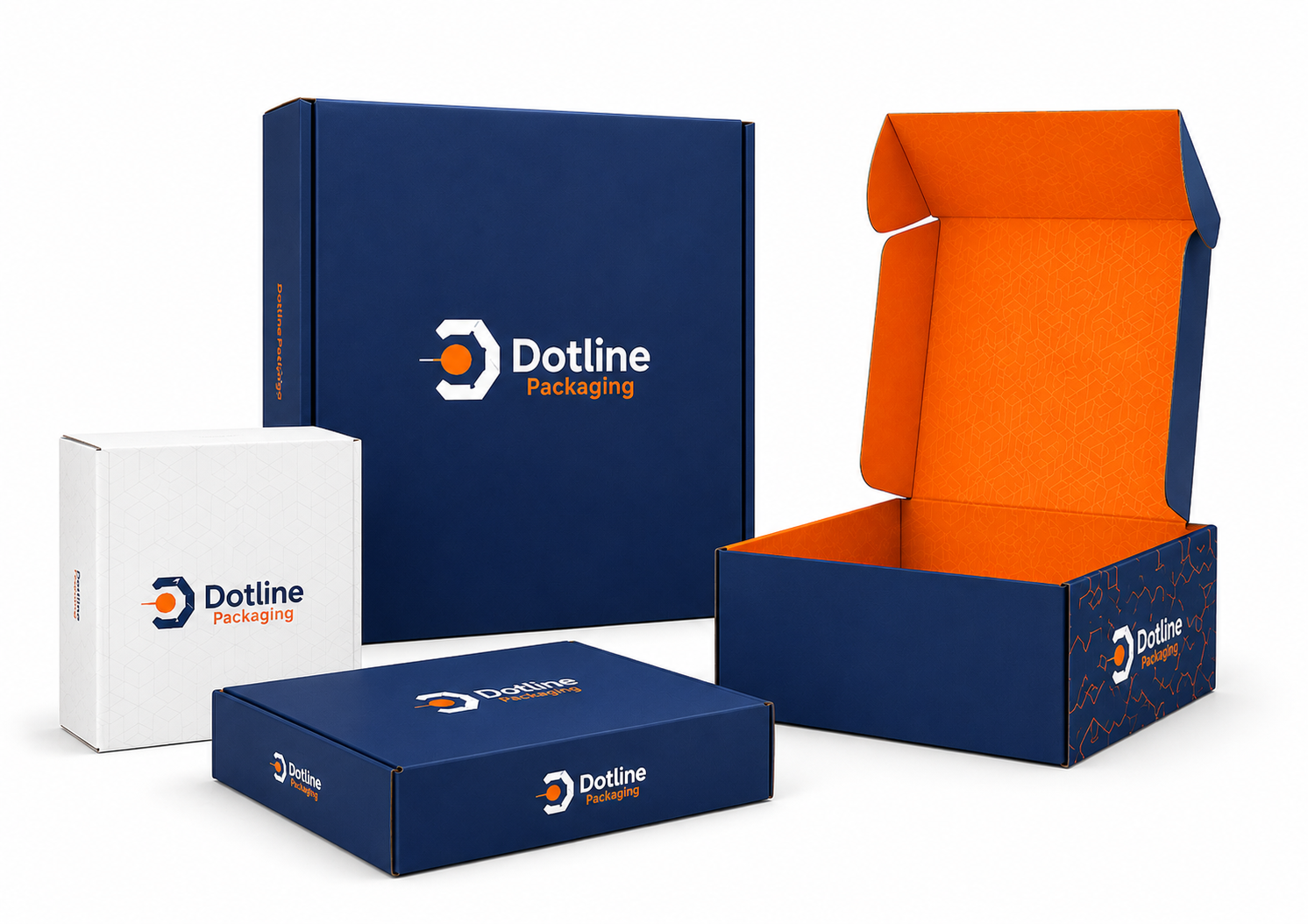
That shop is still the production backbone behind Dotline today: the same team, the same equipment, now turned toward custom packaging instead of just print jobs.
Built for US brands, run without the guesswork
We work with US-based businesses who need packaging that actually represents the brand — not a generic template with a logo slapped on. That means:
- Low minimums: You can order as few as 100 units, not 5,000, so testing a new box design doesn't mean gambling your whole budget.
- Free US shipping: So the quote you get is the number you pay.
- SBS C2S paperboard: Our standard stock for folding cartons, mailer boxes, cosmetic boxes, food packaging, and apparel boxes — chosen for how it prints and folds, not just for cost.
- A 7–9 business day production window: So you can plan a launch date around it instead of guessing.
Why we keep production in-house
Artwork setup, printing, die cutting, lamination, folding, box assembly — it all happens under one process instead of getting passed between vendors who've never seen each other's work. That's not a claim about being the biggest operation out there. It's the reason a sample you approve is the same thing you get in your production run.
What we won't do
We won't tell you a box will look a certain way and then cut a corner in production to hit a price. If something in your design won't hold up physically — a fold that's too tight, stock too thin for your product's weight — we'll tell you before you pay for it, not after.
The short version
Good packaging isn't the box. It's what the person opening it feels for the three seconds before they even look at what's inside. That's what we've been building since 2000 — first with a printing press, now with your brand on it.