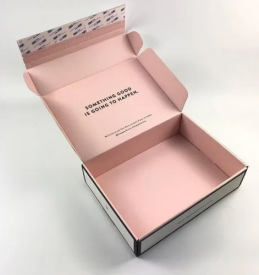
Did you know that nearly 81% of corrugated cardboard is recycled? That’s right – is cardboard recyclable? Absolutely, and we’re doing a great job of it collectively!
When we recycle cardboard boxes, we reduce processing pollution by an impressive 95% because the fiber has already been processed. Additionally, you don’t even need to remove tape or labels from your boxes – the recycling process handles that for you. Fortunately, many common household items like milk, juice, and cereal boxes can all be recycled, as long as they’re clean.
Still, many of us struggle with questions about cardboard recycling. What types can be recycled? How should we prepare them? Are there exceptions? In this comprehensive guide, we’ll answer all your questions about how to recycle cardboard properly and share expert tips to make the process easier for your household.
How to Recycle Cardboard Boxes at Home
Recycling cardboard at home requires just a few simple steps to ensure your materials can be effectively processed. In fact, cardboard recycling reduces processing pollution by an impressive 95% compared to making new cardboard. Furthermore, properly recycled cardboard only takes 75% of the energy needed to make new cardboard.
Step 1: Remove packing materials
The journey of cardboard recycling begins with thorough preparation. First, you need to remove all non-cardboard materials from your boxes. This includes:
- Styrofoam pieces
- Plastic bags
- Bubble wrap
- Packing peanuts
- Plastic liners from cereal/food boxes
Before recycling any Custom Cardboard Boxes, ensure they’re empty. Although the recycling process is designed to handle some foreign materials, removing contaminants significantly improves recycling efficiency.
Step 2: Flatten the boxes
Once your boxes are empty, the next crucial step is flattening them. Here’s how:
- Lay the box on a flat surface
- Cut through any tape on the bottom and top seams
- Open the box completely and press it flat
Flattening boxes not only saves valuable space in your recycling bin but also makes transportation and processing much more efficient. Notably, if your boxes are exceptionally large, consider cutting them into smaller pieces to fit in your recycling container.
Step 3: Keep them clean and dry
Maintaining the quality of cardboard is essential for successful recycling. Recycling facilities generally cannot process wet cardboard since moisture compromises the fibers. Indeed, even after drying, previously wet cardboard feels stiffer because the fibers have been permanently altered.
For boxes with food stains:
- Cut out any soiled or greasy sections
- Only recycle the clean portions
- Remember that a pizza box with oil stains but no food residue is typically acceptable
Step 4: Place in the recycling bin
After proper preparation, place your flattened cardboard in your recycling bin according to local guidelines. If you have large quantities, check if your waste management company allows:
- Stacking flattened boxes next to your bin
- Bundling cardboard together with twine
During rainy weather, wait until collection day to put cardboard out or ensure it remains covered, since wet cardboard has no recycling market.
Do’s and Don’ts of Cardboard Recycling
| Do | Don’t |
| Remove all packing materials from boxes | Recycle wet or soiled cardboard |
| Flatten boxes completely to save space | Include plastic, foam or other non-cardboard materials |
| Cut out food-contaminated portions | Recycle wax-coated cardboard |
| Check local recycling guidelines | Recycle refrigerator or freezer boxes with plastic coating |
| Allow wet cardboard to dry completely before recycling | Worry about removing tape or labels – the process handles these |
Regardless of how you prepare your cardboard for recycling, always verify your local recycling program’s specific requirements, as they may vary slightly depending on your location. Proper preparation ensures that more cardboard can be successfully recycled, ultimately conserving resources and reducing landfill waste.
Common Mistakes to Avoid When Recycling Cardboard
“There is no such thing as ‘away’. When we throw anything away, it must go somewhere.” — Annie Leonard, Proponent of sustainability and filmmaker (The Story of Stuff)
Even with the best intentions, simple mistakes can undermine our cardboard recycling efforts. Knowing what not to do is just as crucial as knowing the correct recycling steps for Custom Cardboard Boxes. Let’s examine the most common pitfalls that prevent cardboard from being properly recycled.
Throwing away wet or greasy boxes
Many people don’t realize that wet cardboard poses significant problems in the recycling process. When cardboard gets wet, the fibers holding it together weaken, potentially causing contamination with other materials. Even after drying, previously wet cardboard feels stiffer because the fibers have been permanently altered.
Food-stained cardboard represents another major issue. Pizza boxes are the most common culprits:
- The grease and oil seep into the fibers and prevent the cardboard from breaking down properly
- Food residue can contaminate entire batches of recyclables, making the process less efficient
Fortunately, you don’t need to discard the entire box. Simply tear off clean portions of food-soiled cardboard and recycle those parts, while disposing of the contaminated sections in your general waste or compost.
Leaving plastic or foam inside
Another frequent mistake occurs when people fail to remove non-cardboard materials from their recycling. Before breaking down boxes, ensure they are free from:
- Plastic tape
- Labels
- Packing inserts
- Styrofoam pieces
- Bubble wrap
These non-cardboard materials can interfere with the recycling process. While some recycling facilities can handle tape and labels (the recycling process removes these automatically), plastic liners and foam packaging must always be removed.
For cereal boxes and similar items, remember to throw away the plastic bag from inside before recycling the cardboard. Overlooking these seemingly minor details can potentially ruin an entire batch of otherwise recyclable material.
Not checking local recycling rules
Perhaps the most overlooked aspect of cardboard recycling involves failing to verify local guidelines. Recycling rules vary significantly between locations – what’s accepted in one community might be rejected in another.
Common variations include:
- Whether slightly damp cardboard is acceptable
- How clean food containers must be
- Requirements for flattening boxes
- Specific bin placement instructions
Using incorrect recycling bins at drop-off locations is another prevalent issue. Not all recycling bins are suitable for cardboard, as some locations have specific bins for different materials. This mistake wastes resources and may cause contamination in the recycling stream.
The golden rule of effective recycling is straightforward: when in doubt, check your local recycling guide. Taking a moment to understand your community’s specific requirements ensures your cardboard actually gets recycled rather than rejected and sent to a landfill.
Expert Tips to Maximize Your Cardboard Recycling
Beyond the basics of cardboard box recycling lies a world of expert techniques to maximize your environmental impact. Is cardboard recyclable? Absolutely – but how you handle it before collection makes all the difference.
How to store cardboard before recycling
Keeping your Custom Cardboard Boxes in optimal condition until recycling day requires thoughtfulness. Store flattened cardboard in a clean, dry area away from moisture that could compromise its recyclability. Basements often have high humidity levels that can damage cardboard, plus insects may use it as nesting material. Consequently, consider garages or enclosed porches, keeping boxes elevated off floors to prevent water damage from potential leaks.
Can cardboard be recycled multiple times?
Unlike single-use plastics, cardboard boasts impressive recyclability – between 5-7 times before the fibers become too short for further processing. Eventually, these materials reach their end-of-life stage as paper towels, napkins, or egg cartons. Afterward, even these materials must finally enter landfills.
Why flattening boxes matters
Flattening cardboard significantly impacts the entire recycling system. Unflattened boxes waste valuable space in trucks and containers, subsequently increasing transportation costs and carbon emissions. Essentially, more flattened cardboard means fewer trips and reduced fuel consumption throughout the recycling chain.
Does cardboard get recycled locally or shipped?
Once collected, your cardboard typically travels to sorting facilities where it’s inspected, baled, and prepared for processing. Some communities benefit from complete local recycling – from collection to manufacturing new products, all within the same region.
Conclusion
Cardboard recycling represents one of our most successful environmental efforts, with impressive statistics backing its effectiveness. Throughout this guide, we’ve explored the simple yet crucial steps to properly recycle cardboard at home. Remember that preparation makes all the difference – empty boxes completely, flatten them properly, and keep them clean and dry until collection day.
Additionally, avoiding common mistakes significantly improves recycling outcomes. Wet or greasy cardboard, overlooked packing materials, and ignoring local guidelines can undermine even the best intentions. Therefore, taking a moment to verify your community’s specific requirements ensures your efforts actually benefit the environment rather than creating more waste.
Most importantly, your consistent efforts matter. Each flattened box saves space, reduces transportation emissions, and conserves valuable resources. The cardboard you recycle today might become tomorrow’s shipping box, cereal container, or paper product. Certainly, with cardboard’s ability to be recycled multiple times, your responsible habits create a meaningful ripple effect.
We hope this comprehensive guide answers your questions about cardboard recycling and empowers you to make environmentally sound choices. After all, successful recycling doesn’t require perfection – just thoughtful participation and consistent effort from all of us. Your small actions at home collectively create significant positive change for our planet.
Key Takeaways
Understanding proper cardboard recycling techniques can significantly boost your environmental impact while avoiding common pitfalls that waste resources.
- Remove all packing materials and flatten boxes completely – Empty boxes of styrofoam, plastic, and bubble wrap, then flatten to save 75% more space in recycling bins.
- Keep cardboard clean and dry before recycling – Wet or greasy cardboard can’t be processed and contaminates entire batches of recyclables.
- Cardboard can be recycled 5-7 times before fibers break down – Each recycling cycle conserves 95% more energy than creating new cardboard from scratch.
- Check local recycling guidelines to avoid rejection – Rules vary by location for cleanliness standards, bin placement, and acceptable cardboard types.
- Cut out contaminated portions rather than discarding entire boxes – Food-stained sections can be removed while clean portions remain recyclable.
With 81% of corrugated cardboard already being recycled successfully, following these expert tips ensures your efforts contribute to this impressive environmental achievement rather than creating additional waste.
FAQs
Q1. How should I prepare cardboard boxes for recycling?
Empty the boxes of all packing materials, flatten them completely, and keep them clean and dry. Remove any plastic liners or foam inserts, but don’t worry about removing tape or labels as the recycling process can handle these.
Q2. Can all types of cardboard be recycled?
Most cardboard can be recycled, including corrugated boxes and paperboard like cereal boxes. However, cardboard with wax or plastic coatings, such as frozen food packaging or some beverage containers, typically cannot be recycled with standard cardboard.
Q3. What should I do with wet or greasy cardboard?
Wet or greasy cardboard should not be recycled as it can contaminate entire batches of recyclables. For items like pizza boxes, cut out the clean portions for recycling and discard the soiled parts in general waste or compost.
Q4. How many times can cardboard be recycled?
Cardboard can typically be recycled between 5-7 times before the fibers become too short for further processing. After this, the material is often used for products like paper towels or egg cartons.
Q5. Does flattening cardboard boxes really make a difference?
Yes, flattening cardboard boxes is crucial. It saves significant space in recycling bins and trucks, reducing transportation costs and carbon emissions throughout the recycling process. This simple step greatly improves the efficiency of cardboard recycling.