In today’s increasingly digital world, it’s easy to assume that traditional business cards have lost their place. But despite LinkedIn connections and digital contacts, a well-designed, physical business card remains one of the most effective networking tools. It’s tactile, personal, and leaves a lasting impression when done right. One of the key elements to consider in your business card design is size, a small but impactful detail that can influence both aesthetics and usability.
Whether you’re designing your first business card or refreshing an existing one, understanding standard sizes and how they vary globally can help you make an informed choice. In this article, we’ll break down everything you need to know about business card dimensions, from standard formats to design considerations and printing tips.
Standard Business Card Sizes Around the World
Custom business card sizes are not universal. Different countries and regions have their own standards. Here’s a breakdown of the most commonly used sizes globally:
1. North America (U.S. & Canada)
- Size: 3.5 × 2 inches (88.9 × 50.8 mm)
- Aspect Ratio: 1.75:1
This is the most widely used business card size in the U.S. and Canada. Its compact rectangular shape fits easily into wallets, cardholders, and business card organizers, which makes it practical and popular.
2. Europe
- Size: 3.346 × 2.165 inches (85 × 55 mm)
- Aspect Ratio: Approximately 1.55:1
European business cards are slightly wider and shorter than their North American counterparts. This size also aligns closely with the dimensions of credit cards, making them convenient for storage.
3. Japan
- Size: 3.582 × 2.165 inches (91 × 55 mm)
Japanese business cards, known as meishi, are slightly larger. In Japanese business culture, the presentation and exchange of cards is a ritual that holds significant importance, so the extra space often accommodates more formal design elements, such as job titles in both Japanese and English.
4. Australia & New Zealand
- Size: 3.54 × 2.165 inches (90 × 55 mm)
Australia and New Zealand follow a size close to European and Japanese standards, maintaining compatibility with most cardholders and making them easy to handle.
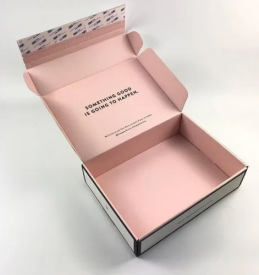
We do provide custom business card boxes designed to protect and present cards professionally. These boxes are ideal for brands and corporate teams that need secure, premium packaging for their business cards.
Why Size Matters
Choosing the right business card size is not just about regional conformity. Size directly affects readability, design space, usability, and how your brand is perceived.
- Readability & Layout: A slightly larger card provides more room for information and design elements, reducing clutter. However, going too large can make the card awkward to store.
- Branding: A non-standard size or shape can help your card stand out, which is great for creatives and brands that want to break the mold. But be cautious—unusual sizes may not fit into wallets or standard holders, which could result in your card being tossed aside.
- Professionalism: In many industries, especially those that value tradition and structure (like law or finance), sticking to the standard size might be viewed as more professional.
Alternative & Creative Sizes
While standard sizes are safe and reliable, some businesses opt for alternative formats to make a stronger impression. These include:
Mini Business Cards
- Size: Around 3.5 × 1.5 inches (or even smaller)
These slim cards are eye-catching and minimalist. They work well for individuals who want to highlight creativity and uniqueness—think designers, photographers, or tech startups.
Square Cards
- Size: 2.5 × 2.5 inches or similar
Square business cards defy convention and instantly grab attention. The challenge? Less space for content and potential storage issues.
Folded Business Cards
- Size (folded): 3.5 × 2 inches
- Size (unfolded): 3.5 × 4 inches
Folded cards are perfect for people who want to include extra details like product lists, appointment reminders, or QR codes without cramming the front and back of a single card.
Design Considerations Based on Size
No matter what size you choose, there are some universal design principles you should follow to ensure your card looks polished and professional.
1. Bleed Area
Printers require a small “bleed” area to account for cutting discrepancies. Typically, you should add an extra 1/8 inch (3 mm) on all sides of your card layout. That means your design should extend slightly beyond the trim line to avoid white edges.
2. Safe Zone
Important elements like text and logos should be kept within a “safe zone”—about 1/8 inch (3 mm) inside the trim line. This ensures that nothing gets accidentally cut off.
3. Resolution & File Format
Always design in 300 DPI (dots per inch) resolution to ensure crisp printing, and save your files in print-ready formats like PDF, AI, or EPS. CMYK color mode is recommended for printing, as RGB colors may appear differently in print.
Digital vs. Print Considerations
If you’re planning to use a business card primarily in digital formats (like email signatures or NFC-enabled cards), traditional size constraints may not apply. However, maintaining a visually balanced ratio similar to print formats helps with consistency and brand recognition.
NFC (Near Field Communication) cards, which allow users to tap and access a digital profile or contact info, are often the same size as standard credit cards (85.6 × 54 mm). This ensures compatibility with card readers and wallets.
Choosing the Right Size for Your Brand
When selecting a business card size, consider the following:
- Target Audience: Who are you handing this card to? If you’re in a conservative industry, stick to standard sizes. If you’re in a creative field, a bold or unconventional size might work better.
- Brand Identity: Does the card reflect your brand’s style, tone, and personality? Size plays a subtle but impactful role here.
- Practicality: Will the card be stored, shared, and remembered? Cards that don’t fit in wallets or holders may end up in the trash.
Final Thoughts
A business card may be small, but its impact is big. It communicates your brand, professionalism, and attention to detail, all in a matter of seconds. Choosing the right size is the first step toward creating a memorable, effective card that people actually want to keep.
Stick with the standard for practicality, or branch out with creative shapes to stand out, just make sure your decision supports your overall brand strategy. After all, in the business world, every inch counts.